

RX Pad Blog
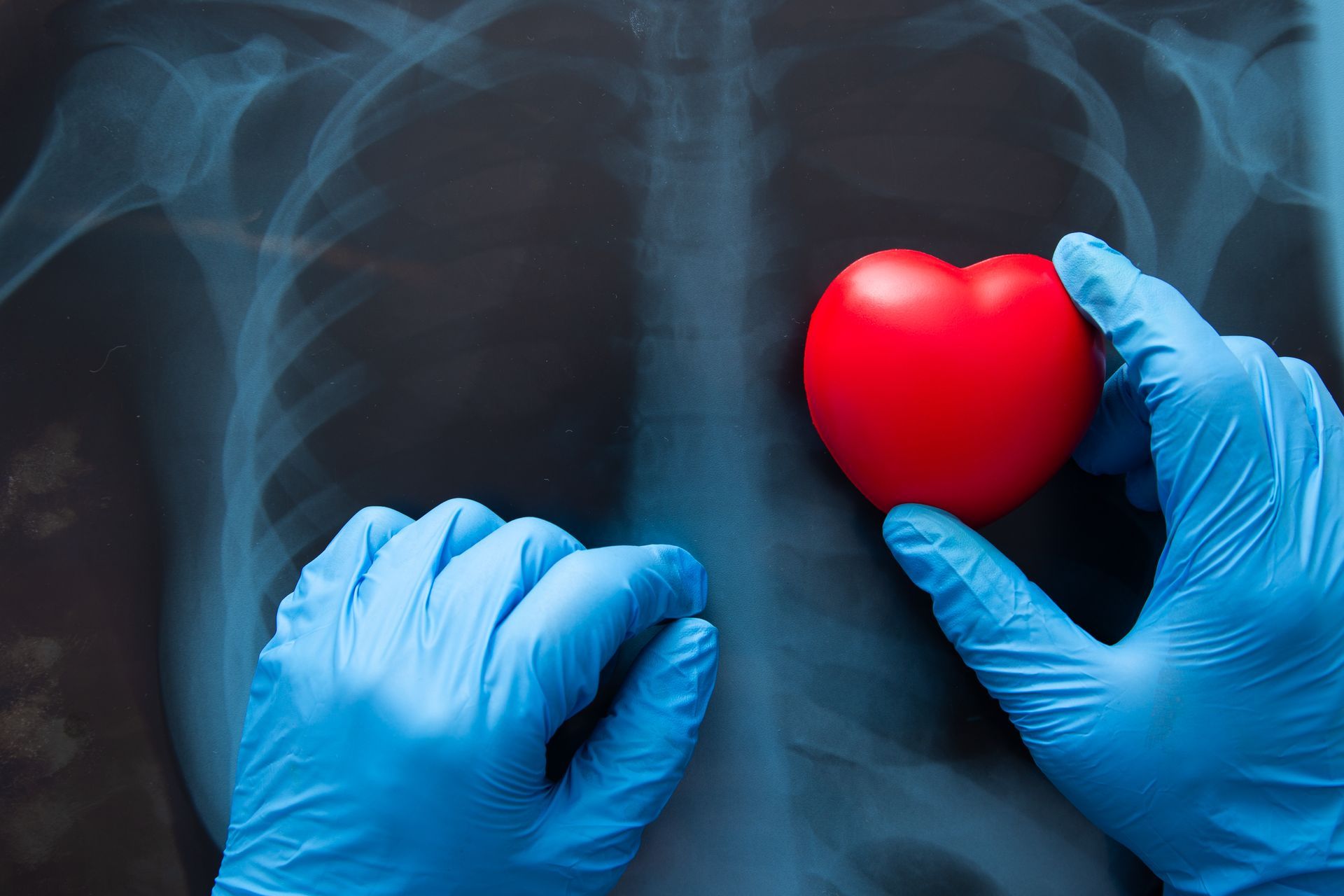
Heart disease is a very common problem and can impact people of all ages. Some heart conditions develop slowly over time; others can cause concerning symptoms that require urgent medical attention. Being aware of the early warning signs of heart disease will enable you to get the care you need earlier, help you to manage your risk factors, and ultimately protect your health in the long term.
Regular check ups and ongoing discussion with your doctor are key to both the prevention and management of heart disease. At Amity Medical Group, we believe understanding your health concerns and monitoring your risk factors are important parts of a forward-looking approach to heart health.
What Is Heart Disease?
Heart disease is a term for several conditions that can affect the heart's structure and function. This includes coronary artery disease, heart rhythm disorders, heart valve disease, and heart failure.
Common risk factors for heart disease include:
- High blood pressure
- High cholesterol
- Diabetes
- Smoking
- Physical inactivity
- A family history of heart disease
- Being overweight or having obesity
Some risk factors can be handled through lifestyle changes and medical intervention. Knowing your own personal risk and being aware of the symptoms is of course key to protecting your heart.
Early Warning Signs of Heart Disease
Heart disease doesn't always present with obvious symptoms, especially in the early stages. Many changes in your health may indicate the need for medical attention.
Chest discomfort or pressure: pain, tightness, squeezing, or pressure in the chest (can be a sign of a cardiac problem). The discomfort may be intermittent or may occur during exertion.
Shortness of breath: Feeling breathless during everyday activities or at rest may indicate a cardiovascular or other health concern, especially if the symptom is new or worsening.
Unusual fatigue (persistent or unexplained tiredness, particularly when doing things you've previously been able to do) can on occasion be a feature of heart disease.
Irregular heartbeat: A racing, fluttering, pounding or irregular heartbeat may be a sign of a heart rhythm problem. While some palpitations are completely benign, if you're experiencing them regularly you should talk to your doctor.
Swelling in the legs/ankles/feet (fluid retention) can be associated with heart failure at times, particularly if the swelling is occurring in conjunction with shortness of breath and/or unexplained weight gain.
Dizziness or lightheadedness (feeling faint) may be due to a change in heart rhythm or circulation and should be looked at if it's ongoing or recurrent.
Symptoms will vary from person to person. Some people (for example, women and the elderly) may have atypical symptoms such as nausea, back or jaw pain, and unexplained fatigue.
When to Seek Medical Attention
It's vital to know when symptoms need urgent care. If you have chest pressure or discomfort that could be a sign of a heart attack (especially if you have shortness of breath, cold sweats, nausea, or pain in the arm, back, neck, or jaw), then you should dial 911 straight away. If you have a sudden severe breathlessness, are fainting, or have any other serious symptoms, then you should also get emergency help.
Don't wait for the symptoms to get bad and drive yourself to hospital. The symptoms of a heart attack can be quite variable, and early medical intervention can be the difference between life and death.
If you're experiencing milder but persistent symptoms (recurring palpitations, unexplained fatigue, new swelling, etc.), then see your doctor.
How to Support Your Heart Health
Taking steps to support your cardiovascular health better can help reduce certain risk factors and improve your overall well-being. The following are some of the things you could do:
- Attend your regular medical appointments and recommended screenings.
- Monitor your blood pressure and cholesterol as per the advice from a doctor.
- Follow a balanced heart healthy eating plan.
- Get regularly involved in some physical activity appropriate to your own abilities.
- Don't smoke and don't use tobacco products.
- Take prescribed medications as directed.
- Discuss your family history and individual heart disease risk with your provider.
Your GP can help you determine the appropriate preventive measures and screening programs for you.
Supporting Your Heart Health Through Preventive Care
Identifying early warning signs of heart disease is an important element in protecting your health. Symptoms don't always point to a heart condition, but if you have any new or worsening symptoms, don't ignore them, as this could delay needed treatment.
Amity Medical Group wants you to be actively involved in your own cardiovascular health. That means regular checkups, appropriate screening, and regular dialogue with your medical team. The more you know about your symptoms and risk factors, the better you can learn to improve your health. You can do this by supporting a long-term relationship with your doctor and following the individual care plan put together for you.
If you have any concerns about your heart health or are experiencing any odd symptoms, then you should speak to your doctor. An early assessment and the right kind of care can go a long way to helping you make the right decisions about your own health and your own wellbeing.
Read More From Amity Medical Group