

RX Pad Blog
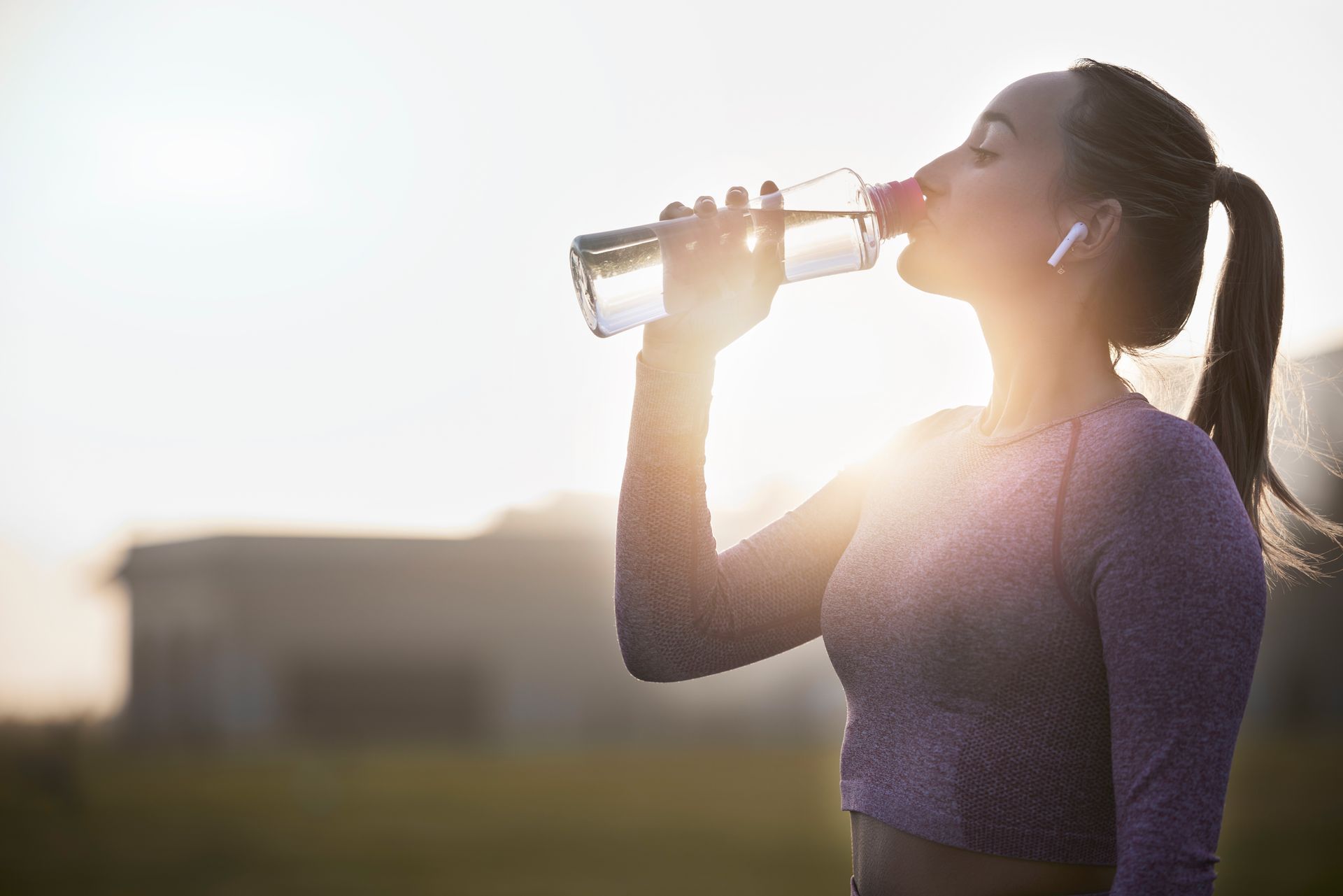
Dehydration happens when your body loses more fluids than it gets. Even if mild dehydration seems like a minor issue, not drinking enough can impact many parts of your body. Water helps control your temperature, keeps your blood moving, helps your kidneys remove waste, and supports normal body functions.
Knowing the signs, causes, and effects of dehydration can help you stay hydrated and support your health.
What Is Dehydration?
Dehydration means your body doesn't have enough fluid to work properly. You lose water all the time through urination, sweating, breathing, and other daily activities. You may need more fluids if you exercise, are sick, are in hot weather, or take certain medicines.
Increased thirst
Dry mouth or lips
Dark-colored urine
Urinating less frequently
Fatigue or weakness
Headache
Dizziness or lightheadedness
Difficulty concentrating
Severe dehydration could disrupt normal body functions and may require prompt medical care.
How Dehydration Affects Your Body
Water is important for almost every part of your body, so dehydration affects much more than just making you feel thirsty.
Brain and mental function: Even mild dehydration may contribute to headaches, tiredness, difficulty concentrating, and changes regarding alertness.
Heart and circulation: Having enough fluids helps keep your blood volume normal. If you get dehydrated, your blood pressure and heart rate can change, especially if you are older or have certain health problems.
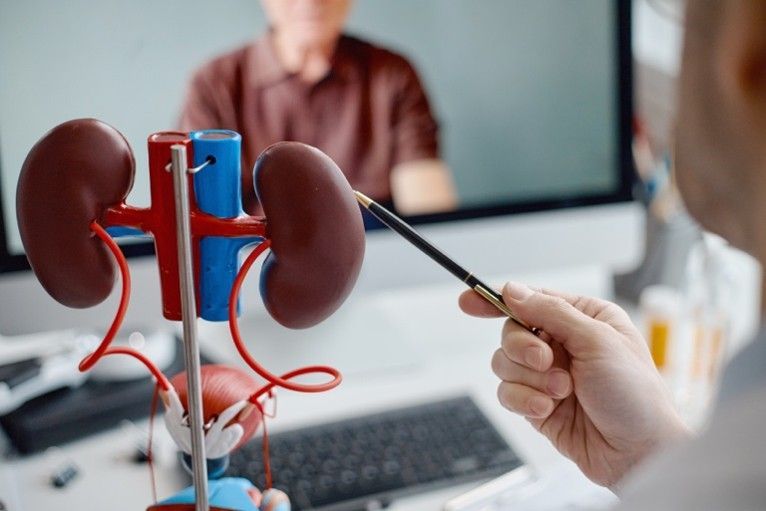
Kidneys and urinary system: Your kidneys need enough fluids to remove waste from your blood. Dehydration can make your urine darker and may raise the risk of kidney stones and other urinary problems.
Muscles and joints: Fluids help your muscles work well. If you are dehydrated, you might get muscle cramps, feel weak, or not perform as well physically.
Digestive health: Drinking enough water helps your digestion and can prevent constipation.
Common Causes and Risk Factors
Dehydration can happen for many reasons, including:
Not drinking enough water throughout the day.
Heavy sweating while engaging in physical activity
Fever
Vomiting or diarrhea
Certain medications
Spending extended periods in hot conditions
Increased fluid needs during illness
Older adults are at higher risk because they may not feel as thirsty as they age. People with some health conditions should also watch their fluid intake closely.
Tips for Being Hydrated
Maintaining hydration is simple if you build a few good habits, such as:
Intaking fluids regularly throughout the day
Keeping water nearby at home, work, or while traveling
Drinking additional fluids while exercising
Eating foods containing a lot of water, such as fruits and vegetables
Paying attention to urine color as one general indicator of hydration
Following a healthcare provider’s recommendations if you have fluid restrictions
Water is a great choice for daily hydration, but how much you need depends on your age, activity, medicines, and health.
When to Speak with a Medical Provider
Talk to a medical provider if dehydration symptoms do not go away, get worse, or are hard to manage. Severe dehydration can cause confusion, fainting, very little urination, extreme weakness, or a fast heartbeat and may need urgent medical care.
Protecting Your Health Through Proper Hydration
It is easy to forget about dehydration, but drinking enough fluids is important for your health. Remaining hydrated helps your brain, heart, kidneys, muscles, digestion, and many other body functions.
If you drink fluids regularly, watch for early signs of dehydration, and talk to your medical professional about any concerns, you can make hydration part of your daily routine. Amity Medical Group encourages you to take charge of your health and discuss your hydration needs during regular checkups.
Read More From Amity Medical Group