RX Pad Blog

Common Misconceptions Of Naloxone And Instructions For Use

The word emergency is on the side of a building

What Is Naloxone?

Naloxone is a medication that can rapidly reverse the effects of opioid overdose. Opioids are commonly used to treat pain, but when taken in large amounts, can result in slowed breathing, and potentially death. Examples of opioids that naloxone would help to reverse the effects include oxycodone (Oxycontin), hydrocodone (Vicodin), heroin, and fentanyl.


Common Misconceptions about Naloxone


The availability of this medication encourages drug use - Access to Naloxone does NOT encourage drug use. Opioid overdose can happen with both legal and illegal use of opioid medications. Access to naloxone during an opioid overdose gives the patient a second chance at life.


Naloxone can be abused or misused - Naloxone is safe and effective for opioid overdose reversal with NO potential for abuse. Naloxone only works if the person has opioids in their system and has no harmful effect if opioids are absent.


Naloxone is difficult to obtain - Thanks to statewide standing orders in various states, including North Carolina, pharmacists can dispense naloxone without a prescription to anyone interested in having it for the safety of themselves or their loved ones. Talk to your pharmacist or healthcare provider about how to obtain Naloxone!


Naloxone is expensive - A variety of naloxone products (nasal spray, injection, auto-injection) are available to respond to an overdose. The most common brand name of naloxone is Narcan Nasal Spray. The cost of Narcan Nasal Spray differs based on insurance coverage, however, according to research from 2019, 49% of prescriptions for Narcan had a copay of $0. If you are uninsured and interested in obtaining Narcan, the average price is around $120 for 2 doses.


The NC Harm Reduction Coalition is a great resource if cost is a concern, as they offer free overdose rescue kits to patients at high risk of overdose. Learn More. It is important to note that if you are at risk of opioid overdose, you would not be able to administer naloxone for yourself and would need a friend or family member to administer this medication to you.


How To Use Naloxone


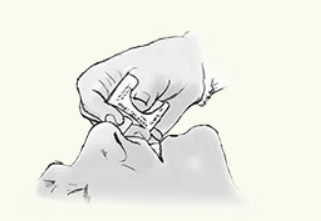
The instructions below, outline how to utilize Narcan (naloxone) nasal spray. Narcan nasal spray can be used for the treatment of a known or suspected opioid overdose emergency with signs of pinpoint pupils, breathing problems including slowed or irregular breathing, or extreme sleepiness or inability to wake.


After administering Narcan nasal spray
  • Call 911 right away. Narcan does not replace the need for emergency medical attention!
  • If the person does not respond by waking up to voice or touch, another dose of Narcan Nasal spray may be given every 2-3 minutes if available. Each Narcan Nasal Spray has 1 dose and cannot be reused, so utilize a different Narcan Nasal Spray device.


Talk to your Pharmacist to see if Naloxone is right for you!

Your pharmacist can dispense naloxone to you today without a prescription from your doctor, and can help counsel on the proper use of Narcan nasal spray, or the various other formulations available. If you would like to have access to this life-saving medication for yourself or to help someone else you know who may be at risk of opioid overdose, talk to your pharmacist today!


Naloxone cannot be abused and is not a replacement for emergency medical services. Be sure to call 911 right away after administering Naloxone. Remember: you cannot administer naloxone to yourself if you are experiencing an overdose, so let a loved one know where you store naloxone, and how to administer it!


Resources

  1. “Myths and Facts About Naloxone”, CVS Health
  2. “How To Use Narcan”, Narcan.com
  3. “Getting Naloxone From NCHRC”, NC Harm Reduction Coalition


Read More From Amity Medical Group

August 28, 2026
Dehydration happens when your body loses more fluids than it gets. Even if mild dehydration seems like a minor issue, not drinking enough can impact many parts of your body. Water helps control your temperature, keeps your blood moving, helps your kidneys remove waste, and supports normal body functions. Knowing the signs, causes, and effects of dehydration can help you stay hydrated and support your health. What Is Dehydration? Dehydration means your body doesn't have enough fluid to work properly. You lose water all the time through urination, sweating, breathing, and other daily activities. You may need more fluids if you exercise, are sick, are in hot weather, or take certain medicines. Increased thirst Dry mouth or lips Dark-colored urine Urinating less frequently Fatigue or weakness Headache Dizziness or lightheadedness Difficulty concentrating Severe dehydration could disrupt normal body functions and may require prompt medical care. How Dehydration Affects Your Body Water is important for almost every part of your body, so dehydration affects much more than just making you feel thirsty. Brain and mental function: Even mild dehydration may contribute to headaches, tiredness, difficulty concentrating, and changes regarding alertness. Heart and circulation: Having enough fluids helps keep your blood volume normal. If you get dehydrated, your blood pressure and heart rate can change, especially if you are older or have certain health problems. Kidneys and urinary system: Your kidneys need enough fluids to remove waste from your blood. Dehydration can make your urine darker and may raise the risk of kidney stones and other urinary problems. Muscles and joints: Fluids help your muscles work well. If you are dehydrated, you might get muscle cramps, feel weak, or not perform as well physically. Digestive health: Drinking enough water helps your digestion and can prevent constipation. Common Causes and Risk Factors Dehydration can happen for many reasons, including: Not drinking enough water throughout the day. Heavy sweating while engaging in physical activity Fever Vomiting or diarrhea Certain medications Spending extended periods in hot conditions Increased fluid needs during illness Older adults are at higher risk because they may not feel as thirsty as they age. People with some health conditions should also watch their fluid intake closely. Tips for Being Hydrated Maintaining hydration is simple if you build a few good habits, such as: Intaking fluids regularly throughout the day Keeping water nearby at home, work, or while traveling Drinking additional fluids while exercising Eating foods containing a lot of water, such as fruits and vegetables Paying attention to urine color as one general indicator of hydration Following a healthcare provider’s recommendations if you have fluid restrictions Water is a great choice for daily hydration, but how much you need depends on your age, activity, medicines, and health. When to Speak with a Medical Provider Talk to a medical provider if dehydration symptoms do not go away, get worse, or are hard to manage. Severe dehydration can cause confusion, fainting, very little urination, extreme weakness, or a fast heartbeat and may need urgent medical care. Protecting Your Health Through Proper Hydration It is easy to forget about dehydration, but drinking enough fluids is important for your health. Remaining hydrated helps your brain, heart, kidneys, muscles, digestion, and many other body functions.  If you drink fluids regularly, watch for early signs of dehydration, and talk to your medical professional about any concerns, you can make hydration part of your daily routine. Amity Medical Group encourages you to take charge of your health and discuss your hydration needs during regular checkups.
July 31, 2026
Metabolic syndrome is a plethora of health conditions that happen together, increasing the chances of heart disease, stroke, type 2 diabetes, and chronic conditions. Because it often develops gradually without symptoms, many people may be unaware they are at risk. Early recognition and healthy lifestyle changes can prevent serious complications and support sustained health. Understanding metabolic syndrome and its associated risk factors helps individuals to take informed decisions that protect their overall health. What Is Metabolic Syndrome? Metabolic syndrome is not one disease but a combination of several that occur simultaneously. A healthcare provider may diagnose metabolic syndrome when a person has three or more of the following: Elevated blood pressure High blood sugar levels Excess body fat around the waist High triglyceride levels Low levels of HDL (“good”) cholesterol Each of these conditions places additional strain on the body’s cardiovascular and metabolic systems. Together, they greatly increase the risk of serious health complications. Higher blood sugar can damage blood vessels over time, while high blood pressure places extra stress on the heart and arteries. Abnormal cholesterol and triglyceride levels may contribute to plaque buildup in the blood vessels, reducing healthy circulation. Without proper management, metabolic syndrome may increase the risk of: Heart disease Stroke Type 2 diabetes Kidney disease Fatty liver disease Many of these risks can be reduced through early detection and consistent lifestyle changes. Common Risk Factors Certain variables may increase the likelihood of developing metabolic syndrome, including: Excess body weight, especially around the abdomen Physical inactivity Diets high in processed foods, added sugars, and rich in saturated fats Increasing age Family history of diabetes or heart disease Smoking or tobacco use Poor sleep habits Ongoing stress Some risk factors cannot be changed, but many can be adjusted through healthy habits and regular medical care. Supporting Metabolic Health Every Day Healthy lifestyle actions play a key role in preventing and managing metabolic syndrome. Small, consistent changes can improve health and reduce future risk. Helpful habits include: Eating a well-rounded diet with food groups like vegetables, fruits, whole grains, low-fat proteins, and healthy fats Limiting sugary beverages, processed foods, and excess sodium Participating in rregularly scheduled physical activity, such as walking, cycling, or strength training Maintaining a healthy weight Getting consistent, sound rest each night Avoiding tobacco products Scheduling routine wellness visits and recommended health screenings Healthcare providers may recommend medications to manage blood pressure, cholesterol, or blood sugar when lifestyle changes are insufficient. When to Speak with a Medical Provider Metabolic syndrome often develops without symptoms, so routine health screenings are essential. Speak with a medical provider if you experience or have concerns about: Elevated blood pressure readings High blood sugar or prediabetes Increasing waist circumference Abnormal cholesterol or triglyceride levels Unexplained fatigue A family history of heart disease or diabetes Regular checkups let healthcare providers monitor health indicators and recommend preventive care before complications arise. Protecting Your Long-Term Health Metabolic syndrome is called a “silent” health risk because it can progress unnoticed for years. It is also one of the most controllable chronic concerns when identified early. Healthy nutrition, regular physical exercise, routine medical care, and attention to key health measurements can greatly lower the risk of serious complications. Taking a proactive approach to metabolic health today can support healthier aging, enhance overall well-being, and minimize the chances of chronic disease in the years ahead. 
June 22, 2026
Cardiovascular-kidney-metabolic (CKM) health describes the complex, interconnected relationship among the heart, kidneys, and metabolic system. These systems collectively regulate blood flow, filter waste, and manage energy utilization. Dysfunction in one system can increase strain on the others, therefore increasing the probability of chronic conditions over time. An extensive understanding of CKM health is key to effective prevention, early intervention, and sustained wellness. Contemporary healthcare increasingly recognizes the interdependence among heart, kidney, and metabolic conditions, underscoring the need for coordinated management strategies. Understanding the CKM System The cardiovascular system circulates blood and delivers oxygen and nutrients throughout the body. The kidneys sift through waste from the blood, regulate fluid balance, and maintain blood pressure. The metabolic system manages how the body processes sugar and fats, using them for energy or storing them for later use. Optimal function of these systems ensures overall physiological efficiency. Impairment in one system can initiate a cascade of adverse effects. For instance, elevated blood pressure may damage blood vessels in both the heart and kidneys. Likewise, impaired blood sugar regulation can increase vascular strain and diminish renal efficiency over time. How CKM Conditions Are Connected Due to the close interrelationship among these systems, health concerns frequently overlap. Common associations include: • Elevated blood pressure resulting in both heart strain and reduced kidney function • Blood sugar imbalance impacting blood vessels and organ performance • Reduced kidney function impacting fluid balance and cardiovascular workload • Excess body weight increases the strain on metabolic and cardiovascular processes • High cholesterol affects blood vessel health and circulation These conditions typically develop gradually, stressing the importance of routine monitoring and early intervention. Risk Factors for CKM Health Concerns Multiple factors add to the chances of developing cardiovascular-kidney-metabolic conditions, including: • Diets high in sodium, added sugars, and processed foods • Limited physical activity or prolonged inactivity • Tobacco use • Ongoing stress and poor sleep habits • Family history of heart, kidney, or metabolic conditions • Excess body weight • Uncontrolled blood pressure, cholesterol, or blood sugar levels Given the interconnection of these risk factors, addressing one area frequently yields benefits across all three systems. Supporting CKM Wellness Through Daily Habits Maintaining cardiovascular-kidney-metabolic health requires consistent, evidence-based habits that promote general physiological well-being: • Eating a balanced diet with fruits, vegetables, low-fat proteins, and whole grains • Staying physically active through walking, stretching, or other regular movement • Drinking enough water to support kidney function • Keeping an eye on blood pressure, blood sugar, and cholesterol levels • Prioritizing steady sleep routines • Reducing tobacco use and limiting unhealthy lifestyle habits • Attending regular medical checkups for prompt detection and prevention Incremental and sustained habit changes can substantially lower the risk of long-term complications. When to Seek Medical Guidance Consultation with a medical provider is recommended if any of the following symptoms are observed: • Ongoing fatigue or low energy levels • Swelling in the legs, ankles, or feet • Difficulty managing blood pressure or blood sugar • Changes in urination patterns • Shortness of breath or chest discomfort • Unexplained changes in weight or appetite Early evaluation helps identify fundamental health concerns and enables early intervention. A Whole-System Approach to Health Cardiovascular-kidney-metabolic health underscores the need to consider the body as an integrated system. Identifying the interactions among the heart, kidneys, and metabolic functions enables a more all-encompassing approach to prevention and treatment for both individuals and medical providers. Prioritizing CKM health increases energy levels, optimizes organ function, and reduces the chance of chronic disease. Consistent habits, adjustments, and active medical management help to improve overall wellness and favorable long-term health outcomes.
Show More