RX Pad Blog

Charlotte health expert works to break monkeypox stigma

BY RACHEL LOYD FOR SPECTRUM NEWS 1 IN CHARLOTTE

PUBLISHED 5:45 AM ET AUG. 11, 2022


CHARLOTTE, N.C. — Wesley Thompson says his husband, Trey Owen, is his biggest cheerleader. 


“Even when family was afraid because I was focusing on HIV/AIDS in the mid-80s, he absolutely stood by me,” he said. “Even though he was scared! We didn’t know a lot in the mid-80s.”


The physician assistant is also the HIV medical director of Amity Medical Group.


Even though there was little knowledge of the virus at the time, the origins of HIV trace back to before the 1980s outbreak. According to the National Library of Medicine, the first HIV case appeared as early as 1930. 


Thompson, as a gay man who treated people during the height of the AIDS crisis, said today’s global outbreak of monkeypox reminds him of when the gay community was stigmatized and discriminated against.


“The same thing has happened with monkeypox. It’s been around since 1958,” he said. “And in Africa where it originated, mainly West Africa, it is a heterosexual infection or condition there.”


And like the '80s HIV/AIDS outbreak, which overwhelmingly affected gay and bisexual men, the Centers for Disease Control and Prevention says this monkeypox outbreak is found mostly in men who have sex with other men. 


“We have been able to isolate several rave parties that happened in Spain, Belgium and England where the virus, or monkeypox, started showing up, and then it has now jumped over to America,” Thompson said.


The latest data from the North Carolina Department of Health and Human Services shows 122 cases statewide. More than 60 of the state’s cases are in Mecklenburg County.


Thompson said he does about 10 monkeypox tests per day, but because of the stigma around the virus, many people are hesitant to get tested, let alone vaccinated.


He said it’s up to health care professionals to educate people about the disease without isolating those most likely affected by it.


“Our messaging around this should be that while it started in that population, it is certainly going to move into the general population,” he said. “And we need to get a jumpstart on this and try to stop it before it becomes our next mini-epidemic.”


Health experts say monkeypox can infect anyone, since the virus is spread by skin-to-skin or intimate contact, like sexual intercourse. But it doesn’t necessarily have to be sexual contact – transfer can include kissing or cuddling for long periods of time.

Thompson said that contact is not so much from high-fives or bumping into someone. 


“This is not something you should be worried about to go to the grocery store or shopping, even with our upcoming Pride celebration, to walk through the crowd,” he said. 


Later this week, the state’s health department will launch a campaign on how to get vaccinated for monkeypox. Officials said the ads will run on social media, dating apps and other platforms LGBTQIA+ men are likely to visit. 


Vaccines are available at Mecklenburg County Public Health Departments. The county received an additional 2,000 doses of the monkeypox vaccine. With each vaccine requiring two doses, that's enough to administer them to 1,000 people. Appointments are needed in order to get one.


Loyd, R. 2022, August 11. Charlotte health expert works to break monkeypox stigma. Spectrum News 1. https://spectrumlocalnews.com/nc/charlotte/news/2022/08/11/charlotte-health-expert-works-to-break-monkeypox-stigma

Read More From Amity Medical Group

June 22, 2026
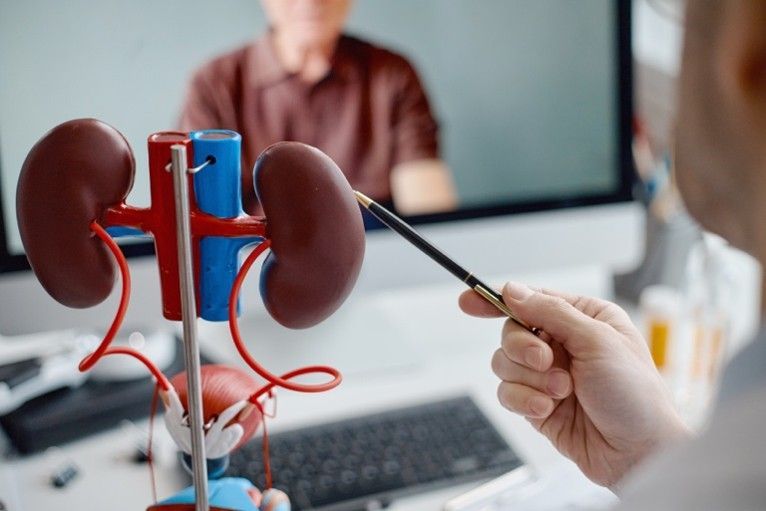
Cardiovascular-kidney-metabolic (CKM) health describes the complex, interconnected relationship among the heart, kidneys, and metabolic system. These systems collectively regulate blood flow, filter waste, and manage energy utilization. Dysfunction in one system can increase strain on the others, therefore increasing the probability of chronic conditions over time. An extensive understanding of CKM health is key to effective prevention, early intervention, and sustained wellness. Contemporary healthcare increasingly recognizes the interdependence among heart, kidney, and metabolic conditions, underscoring the need for coordinated management strategies. Understanding the CKM System The cardiovascular system circulates blood and delivers oxygen and nutrients throughout the body. The kidneys sift through waste from the blood, regulate fluid balance, and maintain blood pressure. The metabolic system manages how the body processes sugar and fats, using them for energy or storing them for later use. Optimal function of these systems ensures overall physiological efficiency. Impairment in one system can initiate a cascade of adverse effects. For instance, elevated blood pressure may damage blood vessels in both the heart and kidneys. Likewise, impaired blood sugar regulation can increase vascular strain and diminish renal efficiency over time. How CKM Conditions Are Connected Due to the close interrelationship among these systems, health concerns frequently overlap. Common associations include: • Elevated blood pressure resulting in both heart strain and reduced kidney function • Blood sugar imbalance impacting blood vessels and organ performance • Reduced kidney function impacting fluid balance and cardiovascular workload • Excess body weight increases the strain on metabolic and cardiovascular processes • High cholesterol affects blood vessel health and circulation These conditions typically develop gradually, stressing the importance of routine monitoring and early intervention. Risk Factors for CKM Health Concerns Multiple factors add to the chances of developing cardiovascular-kidney-metabolic conditions, including: • Diets high in sodium, added sugars, and processed foods • Limited physical activity or prolonged inactivity • Tobacco use • Ongoing stress and poor sleep habits • Family history of heart, kidney, or metabolic conditions • Excess body weight • Uncontrolled blood pressure, cholesterol, or blood sugar levels Given the interconnection of these risk factors, addressing one area frequently yields benefits across all three systems. Supporting CKM Wellness Through Daily Habits Maintaining cardiovascular-kidney-metabolic health requires consistent, evidence-based habits that promote general physiological well-being: • Eating a balanced diet with fruits, vegetables, low-fat proteins, and whole grains • Staying physically active through walking, stretching, or other regular movement • Drinking enough water to support kidney function • Keeping an eye on blood pressure, blood sugar, and cholesterol levels • Prioritizing steady sleep routines • Reducing tobacco use and limiting unhealthy lifestyle habits • Attending regular medical checkups for prompt detection and prevention Incremental and sustained habit changes can substantially lower the risk of long-term complications. When to Seek Medical Guidance Consultation with a medical provider is recommended if any of the following symptoms are observed: • Ongoing fatigue or low energy levels • Swelling in the legs, ankles, or feet • Difficulty managing blood pressure or blood sugar • Changes in urination patterns • Shortness of breath or chest discomfort • Unexplained changes in weight or appetite Early evaluation helps identify fundamental health concerns and enables early intervention. A Whole-System Approach to Health Cardiovascular-kidney-metabolic health underscores the need to consider the body as an integrated system. Identifying the interactions among the heart, kidneys, and metabolic functions enables a more all-encompassing approach to prevention and treatment for both individuals and medical providers. Prioritizing CKM health increases energy levels, optimizes organ function, and reduces the chance of chronic disease. Consistent habits, adjustments, and active medical management help to improve overall wellness and favorable long-term health outcomes.
The Link Between Mental & Physical Health: Why It Matters
May 31, 2026
Mental and physical health are closely linked, though often viewed separately. Emotional wellness impacts the body, just as physical conditions affect...
How Sleep Disorders Impact Your Long-Term Health (And When to Seek Care)
May 1, 2026
Getting a good night’s sleep is essential for general well-being, yet millions struggle with ongoing sleep issues that change daily life. Sleep...
Show More