RX Pad Blog
When Anxiety Feels Like a Crisis: Understanding Panic Attacks
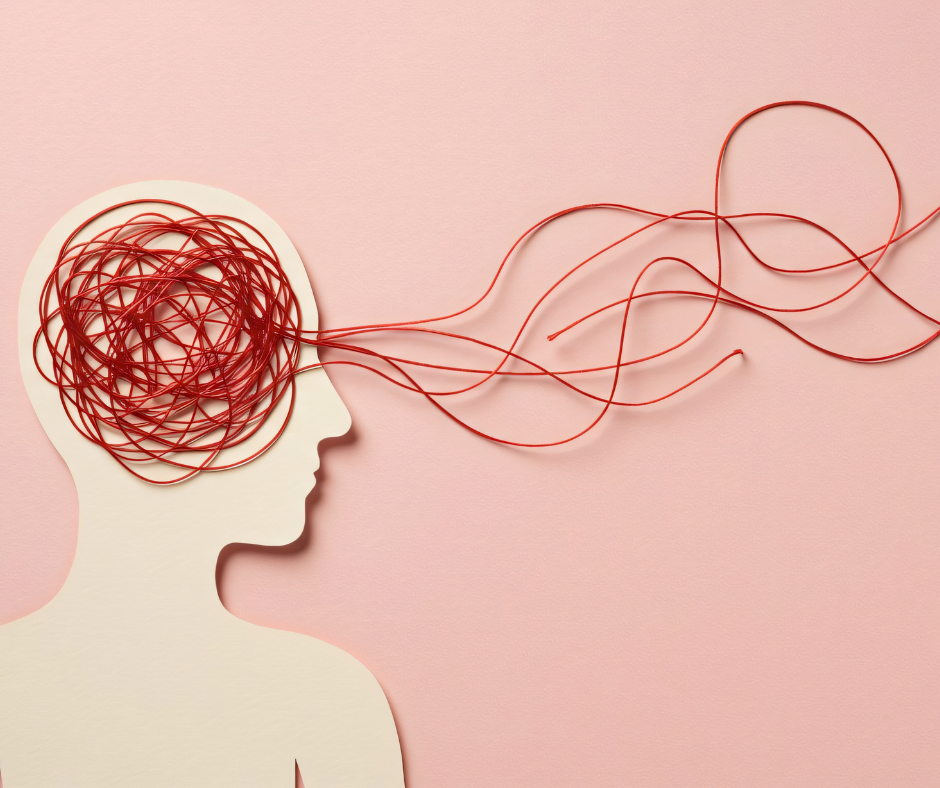
There are moments when anxiety stops being background noise and crashes over you like a wave. Your heart races. Your chest tightens. You might feel dizzy, short of breath, or like you’re losing control. It’s terrifying, and if you’ve ever felt this way, you might have experienced a panic attack.
Panic attacks can make even the strongest person feel fragile. They often appear out of nowhere, leaving you shaken and unsure of what just happened. Understanding why they happen, what they feel like, and how to respond can make a huge difference in regaining control when anxiety feels like a crisis.
What Is a Panic Attack?
A panic attack is a sudden surge of intense fear or discomfort that peaks within minutes. It’s the body’s alarm system misfiring—your brain reacts as if there’s danger, even when you’re safe. During an attack, your body releases adrenaline, preparing you to fight or flee. But because there’s no real threat, that energy has nowhere to go.
The result is a flood of physical sensations that can feel unbearable: pounding heart, chest pain, trembling, shortness of breath, nausea, chills, or feeling detached from reality. For many, it feels like a heart attack or a sign that something is seriously wrong.
Common Triggers
Sometimes panic attacks are linked to specific situations, like crowded spaces, driving, public speaking, or reminders of past trauma. Other times, they appear without warning.
Some of the common triggers include:
- High levels of ongoing stress or worry
- Major life changes, such as a move, breakup, or job loss
- Caffeine or certain medications
- Sleep deprivation
- Health anxiety or hyper-awareness of physical sensations
Even though triggers vary, what matters most is learning to recognize your body’s early signals before panic takes over completely.
How Panic Differs from General Anxiety
Anxiety can build slowly, like a simmering tension that lingers for days or weeks. Panic, on the other hand, is like a sudden storm—it comes fast and hits hard.
While anxiety often revolves around specific worries (“What if I fail?” or “What if something goes wrong?”), panic attacks are driven more by the fear of the sensations themselves. People who experience panic disorder often start to worry about the next attack, which can make them avoid places or situations that might trigger it.
Understanding this difference helps you respond better when panic strikes. You’re not “going crazy.” Your body is reacting to false alarms, and there are ways to calm that alarm system.
What Happens in the Body During a Panic Attack
Your body’s fight-or-flight response kicks in automatically. Adrenaline surges through your system. Your heart beats faster to pump oxygen to your muscles. Your breathing quickens to bring in more air.
But when this happens without a real threat, those changes feel frightening. You might feel like you can’t breathe or that you’re losing control of your body. This fear then feeds the panic, creating a feedback loop.
Managing Panic Attacks in the Moment
When panic hits, logic often flies out the window. But grounding yourself, both mentally and physically, can help the attack pass more quickly.
Here are a few simple techniques that can help:
Focus on Your Breathing
Try breathing in slowly through your nose for four counts, holding it briefly, and exhaling through your mouth for four counts. This helps slow your heart rate and calm your nervous system.
Ground Yourself in Your Surroundings
Look around and name five things you can see, four you can touch, three you can hear, two you can smell, and one you can taste. This brings your focus back to the present moment.
Remind Yourself: “This Will Pass.”
Even though it feels endless, a panic attack usually peaks within 10 minutes and then eases. Tell yourself that what you’re feeling is temporary and not dangerous.
Relax Your Muscles
Tension makes panic feel worse. Loosen your jaw, unclench your fists, and drop your shoulders.
While these steps may not erase panic immediately, they can help you regain control of your body and prevent it from spiralling.
Long-Term Support and Treatment
If panic attacks happen often or start to interfere with your daily life, it’s important to reach out for professional help. Panic disorder and anxiety are treatable with the right care.
Behavioral health specialists often use approaches like cognitive behavioral therapy (CBT), which teaches you to understand and change thought patterns that fuel panic. In some cases, medication may also help reduce symptoms and prevent attacks.
At Amity Medical Group, behavioral health care is part of a broader, whole-person approach. The focus isn’t only on symptoms—it’s also on understanding your experiences, your environment, and the challenges that may be adding to your stress.
When to Reach Out
Seek help if you:
- Experience repeated panic attacks or constant fear of having another one.
- Avoid certain places or activities because of panic.
- Feel detached from reality or others.
- Notice your anxiety is starting to take over your daily life.
Talking about panic attacks can be difficult, especially if you feel others won’t understand. But you don’t have to manage it alone. With the right guidance and care, panic can become something you understand, not something that controls you.
Panic attacks can make you feel powerless—but they don’t define you. If anxiety or panic has started to interfere with your daily life, our team at
Amity Medical Group, Inc. is here to help. Our compassionate team offers behavioral health support that works hand in hand with primary care to help you feel safe, supported, and understood.
Contact us to schedule an appointment today!
Read More From Amity Medical Group